31 October 2026
Spring Clean Your Solar Panels: A Tasmanian Maintenance Guide
Should you clean your solar panels? A practical spring guide for Tasmanian homes - when cleaning helps, how to do it safely, and when to call a professional.
By Maximum Solar Team
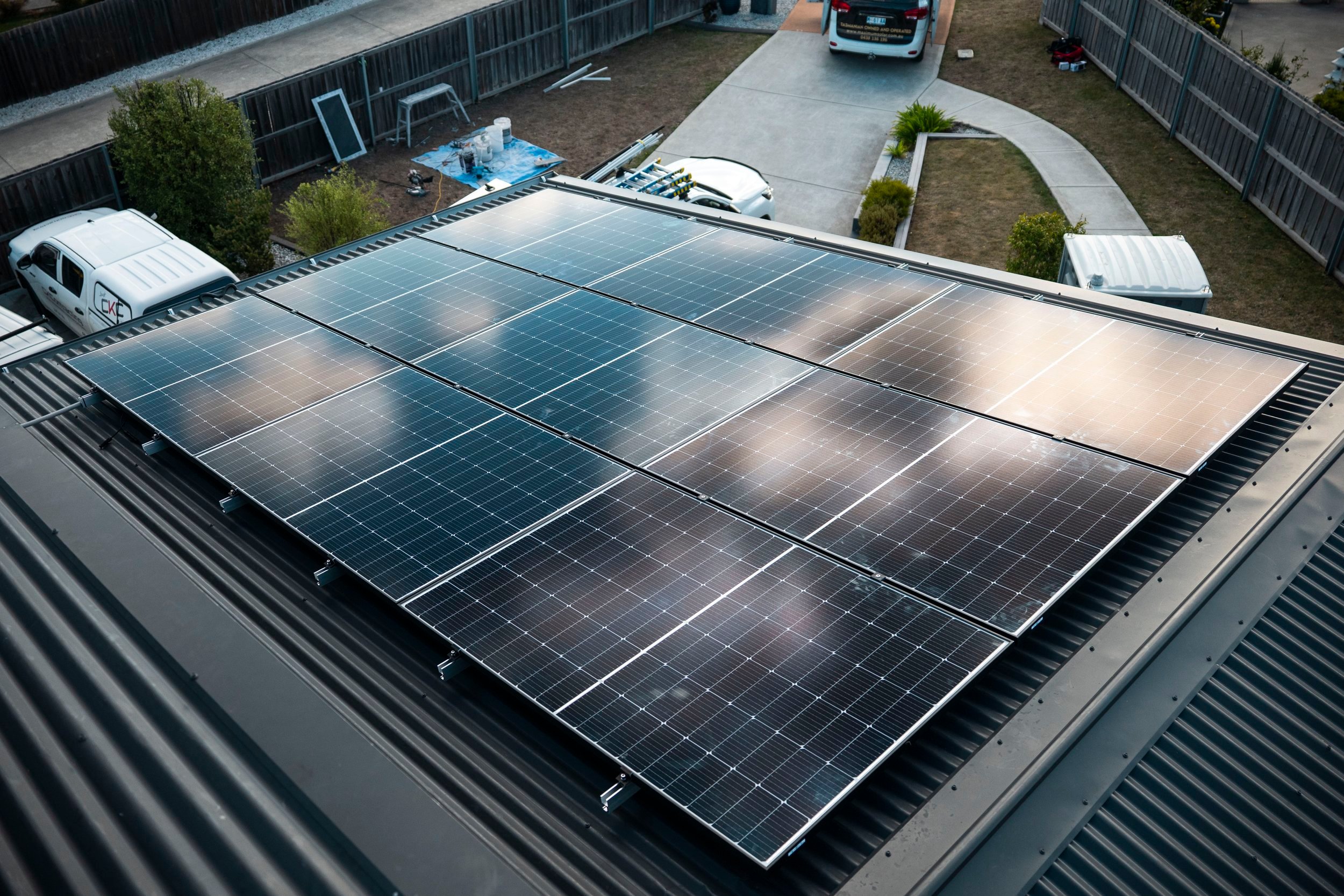
Spring is when your solar system starts earning its keep again. The days are getting longer, the sun is climbing higher, and the months ahead are the most productive of the year for Tasmanian rooftops. It’s also the perfect time to make sure your panels are clean, undamaged and working the way they should.
The good news is that solar panels need very little attention. But “low maintenance” isn’t the same as “no maintenance”, and a quick check now can make sure you aren’t leaving savings on the roof this summer.
Do solar panels actually need cleaning in Tasmania?
For many Tasmanian homes, regular rainfall does a lot of the work. Rain rinses away light dust and most panels are installed at an angle that helps water run off.
But rain doesn’t shift everything. Some common culprits we see across the state include:
- Bird droppings - even a small patch can shade part of a panel and drag down the output of the whole string
- Pollen and blossom - spring is peak season, and a sticky film can build up quickly
- Leaf litter and lichen - common on homes near gum trees or bushland, especially around the lower edge of panels
- Salt spray - coastal homes from the East Coast to the Channel can build up a salty haze that rain alone won’t remove
- Dust from farms, gravel roads or building sites - a big one for rural properties and new estates
If your panels are low-tilt, near trees, close to the coast or on a dusty rural property, they’ll likely benefit from a clean at least once a year. Spring is the ideal timing because it sets you up for the long, sunny days ahead.
How to tell if your panels are underperforming
You don’t need to climb a ladder to know whether your system is struggling. Most modern inverters come with a monitoring app that shows how much energy you’re generating each day.
Here’s what to look for:
- Compare like with like. Check a sunny day this October against a sunny day last October. A noticeable drop with similar weather is worth investigating.
- Look for a slow slide. Gradual decline over months often points to dirt build-up. A sudden drop is more likely a fault.
- Check for error codes. Warning lights or error messages on the inverter are never something to ignore.
- Have a look from the ground. Visible patches, droppings or debris along the bottom edge are a clear sign it’s time for a clean.
If you’re not sure how to read your monitoring data, give us a call. We’re happy to walk you through it.
How to clean solar panels safely
The most important rule: don’t get on the roof. Falls from roofs cause serious injuries every year, and wet panels are slippery. If your panels can’t be reached safely from the ground, it’s a job for a professional.
If you can reach them safely with a long-handled brush or hose from the ground, follow these steps:
- Clean early or late in the day. Panels get hot in the sun, and cold water on hot glass can cause thermal stress. Cool mornings are best.
- Use plain water first. A gentle rinse from a garden hose removes most dust and pollen.
- Use a soft brush or sponge. For stubborn spots, use a soft, non-abrasive brush on an extension pole.
- Skip the harsh chemicals. Detergents, solvents and abrasive cleaners can damage the anti-reflective coating on the glass. If you need something stronger than water, check your panel manufacturer’s guidelines first.
- Never use a pressure washer. High pressure can damage seals and frames and may void your warranty.
- Don’t touch the wiring. Solar panels produce electricity whenever there is light. Leave cables, connectors and the inverter alone.
Maintenance is more than cleaning
A clean panel is only part of the picture. Over years on a Tasmanian roof, systems face strong winds off the Southern Ocean, heavy rain and big temperature swings. That’s why a professional inspection every few years is worth considering, particularly for systems more than five years old.
A professional check typically covers:
- Panels - cracks, hot spots, discolouration and seal damage
- Racking and mounting - loose fixings, corrosion and roof penetrations
- Cabling and isolators - UV damage, water ingress and secure connections
- Inverter health - error logs, ventilation and performance against expected output
- Shading - new tree growth or nearby building work that wasn’t there when the system went in
All Maximum Solar installations use marine grade, rust-proof steel racking designed to handle coastal and high-wind conditions. But every system, ours included, benefits from a check-up as it ages.
Signs you need a professional, not a hose
Call a CEC-accredited installer if you notice any of the following:
- Cracked or chipped glass on a panel
- Burn marks, melting or a burning smell near any component
- Loose or hanging cables
- A persistent inverter error code
- Generation that stays low even after cleaning
- Water getting into the roof near panel fixings
These can be safety issues, not just performance issues, so it’s best not to wait.
Make spring the start of your best solar season
Tasmania’s spring and summer days are long, and a clean, healthy system can make the most of every hour of them. A few minutes checking your monitoring app, a gentle rinse where it’s safe, and a professional check every few years is all it takes to protect your investment for decades.
If your system is getting older, it may also be a good time to look at adding battery storage, so the extra summer generation keeps working for you after dark.
Book a solar system check with Maximum Solar. Our local team services homes and businesses statewide from our Hobart and Launceston offices. Get in touch or call 1300 457 542 to arrange an inspection.