17 September 2026
What Commercial Solar Really Costs (and Saves) for a Tasmanian Business
What commercial solar actually costs and saves Tasmanian businesses, covering system design, CEC-accredited installation, interest-free loans and rebates.
By Maximum Solar Team
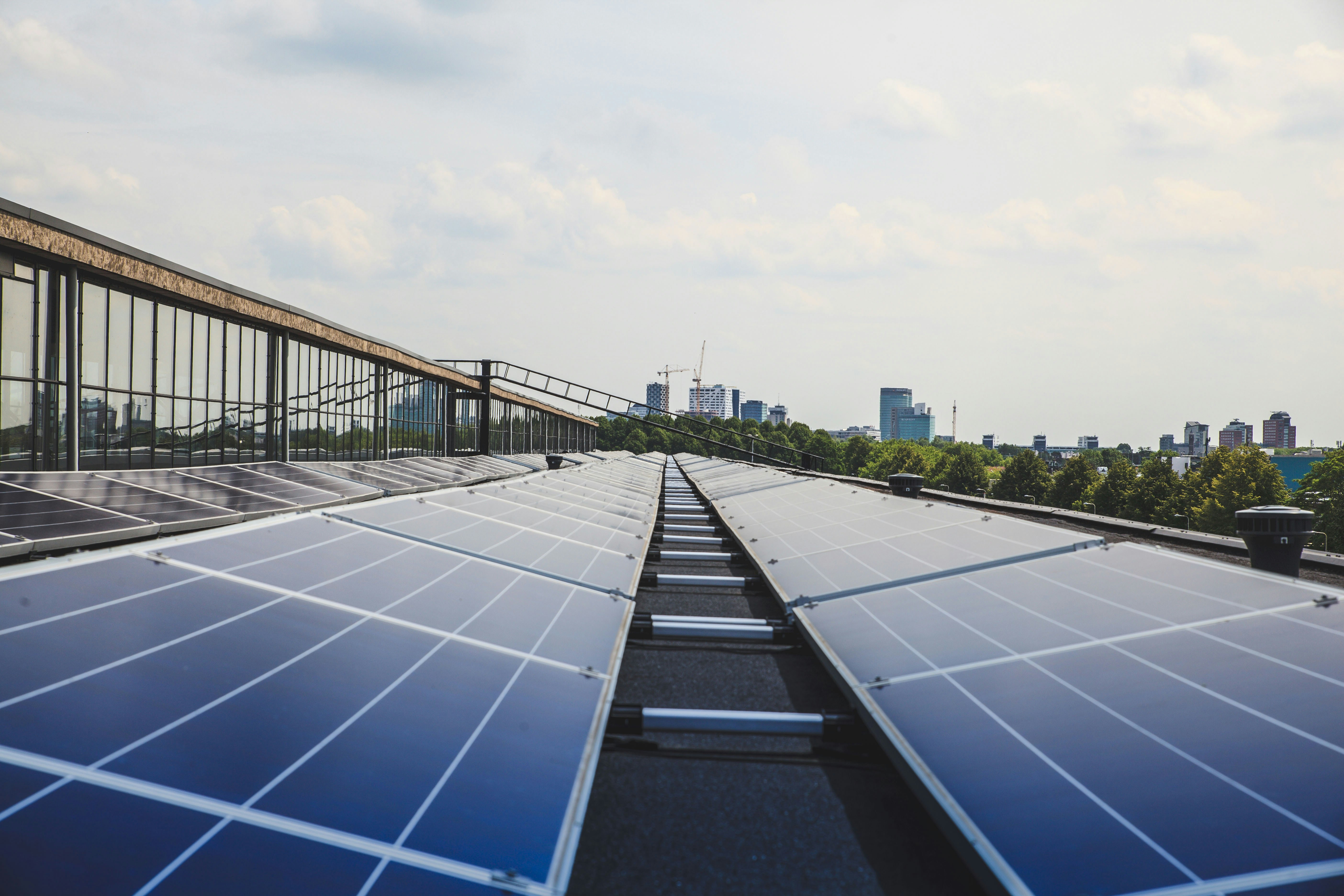
Energy costs are one of the few line items a business can genuinely take control of. Rent, wages and supplier costs are largely dictated by the market, but electricity is different — once a solar system is installed and paid off, a meaningful share of your daily running cost simply disappears. For Tasmanian businesses watching power bills climb every year, commercial solar has become less of a sustainability nice-to-have and more of a straightforward way to protect the bottom line.
At Maximum Solar, commercial installations are treated as a genuinely different project from a residential rooftop system — larger scale, more variables, and a much bigger financial decision. Here is how the process actually works, and what it can mean for your business.
Why Businesses Are Switching
A well-designed commercial system reduces reliance on grid electricity precisely when businesses need it most — during operating hours, when usage and grid prices both tend to peak. That timing is what makes commercial solar such a strong fit for most trading businesses: the hours you are open are usually the same hours your system is generating the most power. Beyond the reduction in day-to-day bills, businesses can often access tax benefits tied to the investment itself, which we cover in more detail in Boost Your Bottom Line: Solar Power for Tax Savings and Increased Profits.
How Commercial Solar Actually Works
At its core, a commercial system converts sunlight into electricity your business uses directly, cutting down what you need to draw from the grid. Any excess generation can be exported back to the grid for a credit, or stored in a battery system for use later in the day or overnight, depending on how the system is configured. The right setup depends heavily on your business’s specific consumption pattern — a retail store trading nine to five looks very different, energy-wise, from a 24-hour manufacturing operation or a facility with heavy morning refrigeration loads.
Our Design Process
Every commercial install starts with a proper site assessment rather than a generic quote. We meet with your key stakeholders, inspect the site, and assess viability before recommending anything — roof condition and orientation, shading, available space, and your existing electrical infrastructure all factor into the design.
From there, we look closely at your actual energy consumption patterns rather than assuming a standard business profile. A system sized around your real usage — not just your roof space — is what actually delivers the savings you are expecting. This is just as important for a small business with a modest roof as it is for a large-scale operation with significant energy demands; the process scales, but the principle of designing around your real consumption stays the same.
Installation You Can Trust
Once a solution is agreed, installation is carried out by our Solar Accreditation Australia (SAA) accredited installers, trained to meet Clean Energy Council (CEC) industry standards. This accreditation is not just a certificate on the wall — it reflects extensive training and assessment against the same standards that govern safe, compliant installation across the industry.
Every commercial installation is backed by a 10-year workmanship warranty, giving you confidence in both the build quality and the team behind it long after the panels go up. We pay attention to every detail during installation, and safety — both for our team and for your staff and customers on site — remains a top priority throughout the project.
Financing Made Easier
Cash flow matters for any business, which is why we offer interest-free loans of up to $10,000 to help fund your installation without the added cost of interest charges. Flexible repayment options mean you can start enjoying the benefits of solar generation without feeling out of pocket while the loan is repaid. We also assist our customers directly in claiming any rebates their business is eligible for — see our 2026 Solar Rebate Guide for Tasmania for a full breakdown of what’s currently available, including STCs and feed-in tariffs that apply to commercial systems as well as residential ones.
Which Businesses Benefit Most
Businesses that run primarily during daylight hours tend to make the strongest financial case for solar — retail stores, hospitality venues, manufacturing operations, agricultural operations and logistics depots all draw significant power exactly when the sun is generating the most. That said, even businesses with heavier evening or overnight loads can benefit substantially once battery storage is factored into the system design, since stored daytime generation can be drawn down after the sun goes.
Adding Battery Storage
Pairing a commercial system with battery storage can extend those savings further, particularly for businesses with significant early-morning or after-hours energy use. Our Home Battery Storage Guide is a good next read if you are weighing that option up, covering how storage works and what size actually makes sense for different usage patterns.
Why Tasmanian Businesses Work With Maximum Solar
Maximum Solar is 100% Tasmanian owned and operated, run by long-time Tassie locals Patrick Bass and Antonio Macri. With 13 years of industry experience and offices in both Hobart and Launceston, the team understands the specific demands of installing and maintaining solar systems in Tasmania’s climate — something that matters as much for a large commercial roof as it does for a suburban home.
We use only tier-1 products across our installations, backed by strong manufacturer warranties, and we back our own workmanship with a decade-long guarantee. For a commercial investment of this size, that combination of accreditation, local expertise and warranty backing is what gives business owners confidence in the decision.
Related reading:
- Boost Your Bottom Line: Solar Power for Tax Savings and Increased Profits
- 2026 Solar Rebate Guide for Tasmania
Ready to see what your business could save? Book your free commercial solar assessment.