17 July 2026
Winter Sun: Getting the Most from Your Solar System This Winter
Tasmanian winters cut solar output more than most homeowners realise. Learn how to protect performance, spot warning signs, and prep for spring.
By Maximum Solar Team
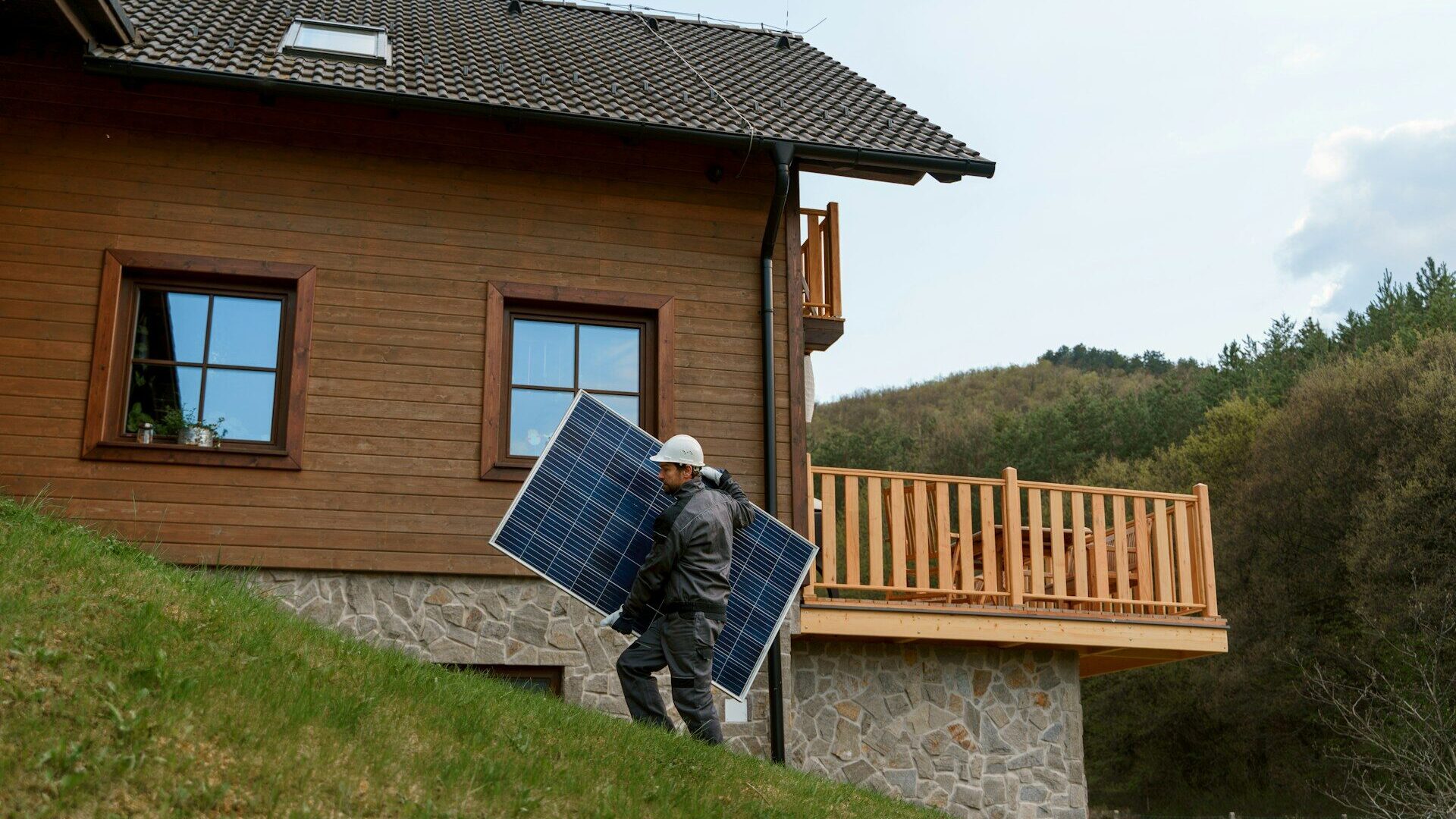
Tasmanian winters bring shorter days and lower sun angles, but that doesn’t mean your solar system should be sitting idle. With a few adjustments and some proactive maintenance, homeowners and businesses can keep their solar investment working hard even through the colder months, rather than writing off winter as a dead period for generation.
It’s a common misconception that solar panels simply stop being worthwhile once the weather turns. In reality, panels are often more efficient in cooler temperatures than they are during the peak heat of summer, since excessive heat can actually reduce a panel’s electrical efficiency. The real challenge in winter isn’t the cold, it’s the combination of fewer daylight hours, a lower sun angle, and the debris and grime that build up during autumn and winter storms.
Why output drops more than people expect
Most Tasmanian households see a noticeable seasonal dip in solar generation between May and August, and that’s completely normal. What often goes unnoticed is the additional drop caused by preventable issues: a coating of dust or pollen left over from autumn, moss creeping in on shaded corners, or bird droppings sitting on a panel for weeks without anyone realising the impact on output. Even a partial shadow from a single dirty patch on one panel can drag down the performance of an entire string, depending on how your system is wired.
Shading is the other big seasonal factor. As the sun tracks lower across the sky in winter, trees, chimneys, and neighbouring structures that caused no issue in summer can suddenly cast shadows across part of your array for a portion of the day. If you’ve noticed a dip in your monitoring app that wasn’t there last winter, it’s worth checking whether new growth on a nearby tree is the culprit before assuming there’s a fault with the system itself.
What a winter health check actually involves
July is the ideal time to book a system health check, well before the higher-demand months of late winter and early spring arrive. Our technicians inspect inverters for fault codes and unusual heat signatures, check wiring connections for corrosion or looseness that can develop over a Tasmanian winter, and confirm your monitoring app or portal is reporting accurately against the physical output of the system.
We also take the opportunity to physically inspect the roof-mounted array for any pooling water, storm damage, or debris that’s accumulated since the last service. This is particularly important for older systems, since panels and mounting hardware installed more than seven or eight years ago are more likely to show early signs of wear that are easy to miss from ground level.
Practical winter tips for homeowners
A few things you can check yourself between professional services:
- Check your monitoring app weekly for unusual dips in output, and compare against the same period last year if you have the data
- Trim back trees or shrubs that cast shadows during low winter sun angles, even if they weren’t an issue in summer
- Book a professional panel clean if it’s been more than 12 months since the last one
- Confirm your inverter warranty and firmware are up to date, since manufacturers occasionally release updates that improve cold-weather performance
- Keep an eye out after storms for any visible debris, cracked panels, or loose mounting brackets
Setting up for spring
If your system was installed more than five years ago, a winter check-up is also a good opportunity to talk about battery storage, which we cover in detail in our next post. Getting a battery installed or serviced during the quieter winter months means you’ll be fully set up to capture and store more value once spring and summer production ramps back up, rather than scrambling to book an installer during the busier season.
Ultimately, winter shouldn’t be viewed as a write-off for solar households. With a bit of attention to the details that actually affect performance, most systems can keep contributing meaningfully to household energy needs right through the coldest months of the year.
Ready to Book a Winter Health Check?
Not sure how your system is performing this winter? Book a winter health check with Maximum Solar and head into spring with confidence. Call our team direct on 1300 457 542 or use the online booking form to schedule your check-up.